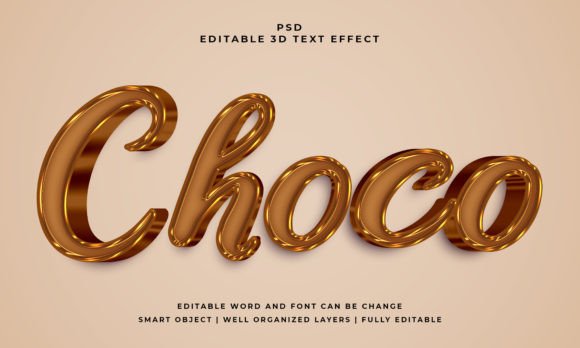
Choco 3D Editable Text Effect: Your Shortcut to Polished Visuals
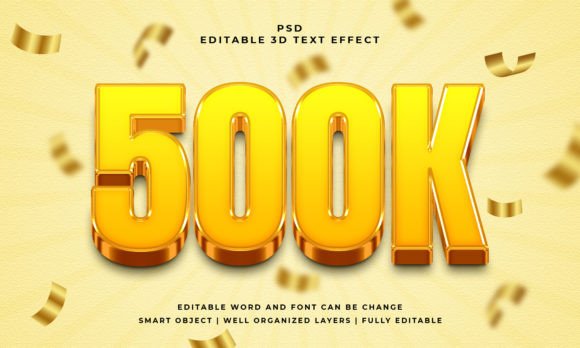
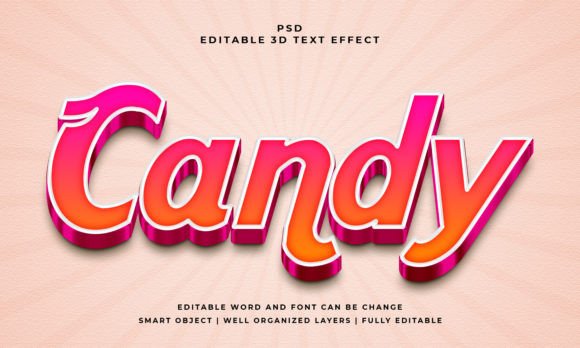
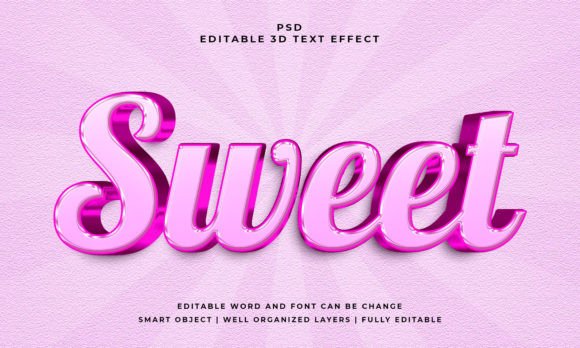
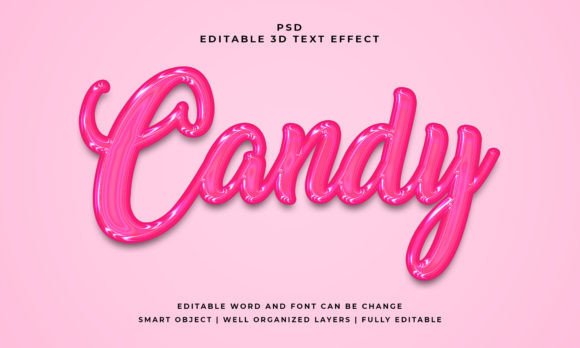
There’s a specific kind of visual impact that stops a scroll or catches a wandering eye on a crowded shelf. It’s that three-dimensional, tactile quality that makes a design feel less like a flat image and more like a tangible object. Achieving that effect from scratch can be a time-consuming puzzle of shadows, highlights, and bevels. That’s where a pre-built, editable asset becomes a designer’s best friend, offering a professional result without the hours of manual tweaking. This particular style delivers a rich, dimensional look that works across a surprising number of projects.
More Than Just a Pretty Face: Practical Applications for a 3D Look
The true value of a design asset lies in its versatility. This 3D text effect isn’t just for flashy headlines; it’s a tool for solving real visual communication problems. Imagine you’re launching a new artisan chocolate bar. The packaging needs to convey richness and quality instantly. Applying this effect to the product name can make the typography pop off the label, creating an appetizing, premium feel before the customer even picks it up. For a small business owner designing their own social media graphics, this style can turn a simple announcement into a standout post, helping to build a more recognizable and engaging brand identity on a crowded feed.
Consider the needs of a blogger or a digital product creator. A course title, a webinar heading, or a chapter name in an e-book presented with this three-dimensional treatment gains immediate authority and visual interest. It signals to the audience that care has been put into the presentation, which can subtly increase perceived value and engagement. For event invitations or poster designs, it adds a layer of sophistication and excitement, making the information feel important and worthy of attention.
Unlocking Efficiency: How Editable Text Effects Streamline Your Workflow
One of the biggest hurdles in design is the gap between a great idea and its execution. You might envision a bold, dimensional title for your logo, but the technical steps to achieve a clean 3D render can stall the creative process. This is where an editable PSD file shines. The process is straightforward: open the file, double-click the smart object layer, replace the placeholder text with your own, save, and close. The effect automatically applies to your new words, maintaining all the carefully crafted lighting and depth.
This isn’t just about saving time—though it certainly does that. It’s about maintaining creative momentum. You can experiment with different phrases, taglines, or names in minutes, seeing instant results. The layers are well-organized, meaning if you’re comfortable with Photoshop, you can dive deeper and adjust colors, shadow intensity, or background elements to perfectly match your project’s palette. This flexibility makes it a powerful component in a designer’s toolkit, especially for projects with tight deadlines or for entrepreneurs who wear many hats and need professional results fast.
Choosing Your Tools Wisely: Pairing and Readability
A stunning effect is only as good as its context. While this 3D style is fantastic for display purposes—think headings, logos, and short, impactful statements—it’s not designed for body text. Its strength is in grabbing attention, so pairing it with a clean, highly readable sans-serif or serif font for paragraphs is crucial. This creates a visual hierarchy that guides the viewer’s eye naturally from the bold, dimensional title to the supporting information.
When selecting a project, always consider the mood you need to set. This particular style has a certain weight and presence, making it suitable for brands that want to appear confident, established, or playful in a substantial way. Test it with your other design assets. Does it complement your imagery? Does the color scheme work with your established brand guidelines? Taking the time to mock up a few options can save you from a mismatch later. Also, be mindful of the commercial license included. For any project intended for sale or broad distribution, confirming that the asset’s license covers your specific use is a non-negotiable step in a professional workflow.
Ultimately, the goal is to use design elements that serve your communication objectives. A tool like this 3D text effect is about enhancing clarity and impact, not just decoration. It helps bridge the gap between an amateur-looking project and a polished, professional presentation, which can be the deciding factor in capturing an audience’s trust and interest. By integrating it thoughtfully into your broader design strategy, you turn a simple file into a catalyst for stronger visual storytelling.