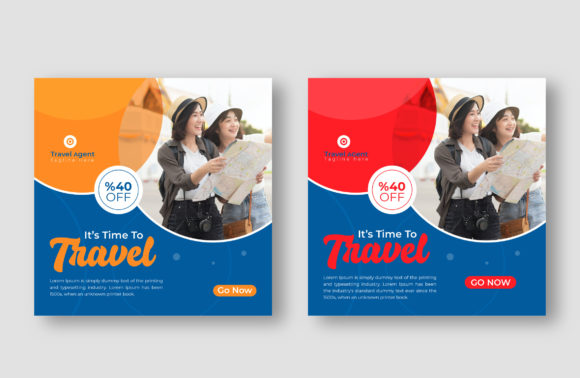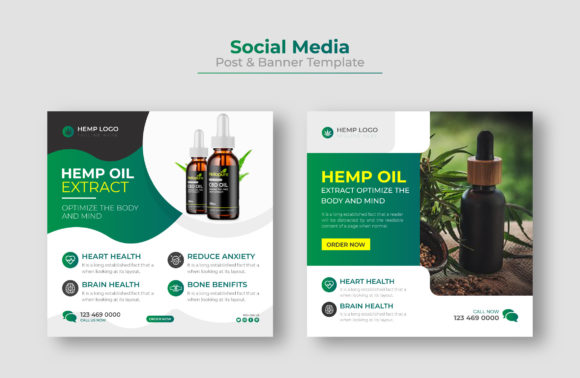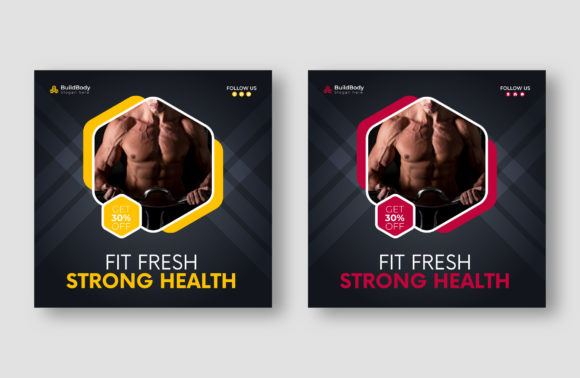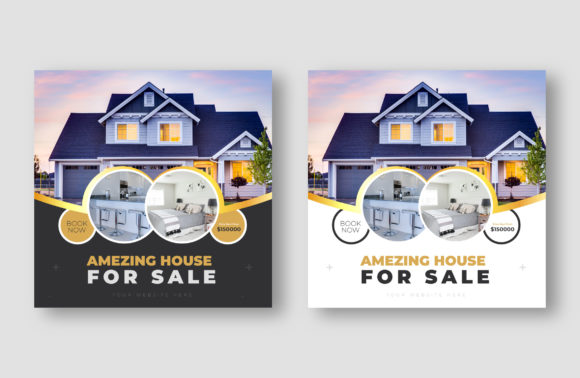
Designing Appetizing Social Media Graphics with Banner Templates
Creating compelling visuals for a food blog, restaurant, or catering business can feel like a constant battle against the clock. You have a fantastic new menu item or a delicious recipe to share, but the thought of designing a unique graphic from scratch for every single Instagram post or Facebook update is exhausting. This is where a well-crafted Food Social Media Post Banner Template becomes a game-changer, offering a professional starting point that saves time while ensuring your content looks consistently polished and ready to attract hungry followers.
Streamlining Your Visual Content Strategy
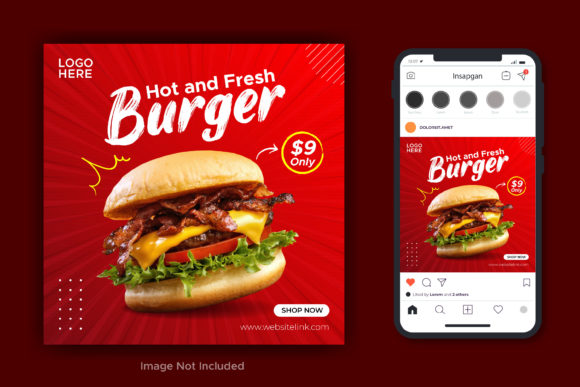
A template designed for food-centric content is more than just a pre-made layout; it's a foundational tool for building a recognizable brand identity. Instead of starting with a blank canvas each time, you have a structured framework that aligns with your aesthetic. This particular template, sized at 1080x1080 pixels, is perfectly optimized for square social media posts, which remain a dominant format across platforms. The availability of multiple file formats like AI, EPS, SVG, DXF, and JPG means you have incredible flexibility. A designer can dive into the vector files in Adobe Illustrator to customize every element, while a small business owner might find the JPG files sufficient for quick text edits in a simple graphic design app.
The real value lies in its editability. You can easily modify colors to match your brand's palette, swap out placeholder text for your own headlines and calls-to-action, and adjust the layout to feature your specific photography. This process isn't about using a rigid, one-size-fits-all graphic; it's about adapting a professional structure to fit your unique message. Whether you're announcing a weekend special, promoting a cooking class, or sharing a recipe snippet, the template provides the visual consistency that helps your audience instantly recognize your posts in their crowded feeds.
Practical Applications Beyond the Feed
While the primary use is for social media graphics, the utility of a versatile template like this extends much further. Think about your overall marketing assets. You could adapt the design for packaging design elements, creating stickers or labels for takeout containers that echo the same visual language as your online posts. The template's structure can inspire web design banners for your homepage or blog sidebar, ensuring a cohesive look between your social presence and your website.
For those involved in editorial design or creating digital products, such as an e-cookbook or a meal planning guide, these banner layouts can serve as chapter headers or section dividers. The clean lines and food-friendly aesthetic make it suitable for print materials like flyers for a food festival, posters for a café, or even invitations for a dinner party. The included free font is a thoughtful addition, removing the guesswork of font pairing for those who want a ready-to-go solution. It allows you to maintain readability and a professional presentation across all these different applications without needing to source additional design assets.
Key Considerations for Effective Use
To get the most out of any Food Social Media Post Banner Template, a bit of strategic thinking is required. First, consider your project goals. Is the aim to drive traffic to a recipe? Then your headline text needs to be prominent and your call-to-action clear. Is it for brand awareness? Then your logo and color scheme should take center stage. The template gives you the canvas; your content strategy provides the direction.
Next, think about font pairing. Even though a free font is included, you might want to integrate your existing brand typeface. A good practice is to use the template's display font for a short, impactful headline and pair it with a simple, clean sans serif font for any body text or details. This maintains visual interest without sacrificing readability. Always test your final design on a mobile device screen, as that's where most of your audience will see it. Ensure text is legible at a small size and that the most important visual element—the food itself—has enough space to shine.
Finally, be mindful of the licensing. While the template itself is typically offered with a commercial license allowing you to use the final designs for your business, it's crucial to verify this. The note that preview images are not included is standard; you will need to supply your own high-quality food photography. This is actually a benefit, as it ensures your graphics are unique and authentic to your brand, showcasing your actual dishes rather than generic stock photos.
Ultimately, leveraging a template like this is about working smarter. It empowers you to produce a high volume of consistent, engaging visual content without requiring advanced design skills or a massive time investment. By customizing it thoughtfully, you can build a stronger visual narrative for your food brand, one that resonates with your audience and supports your broader business goals, from increasing engagement to driving sales.